06.10.2026
Commentary
Why potential geopolitical disruption makes supply chain visibility a strategic necessity
The energy transition built the largest, most complex supply chains the battery industry has ever run. Spread across many borders, they are exposed to shifting regulations and external risk, making them fragile.
For years, the risk in those chains was treated as a reporting problem. Something for the sustainability team to tidy up. That framing is now out of date. War, export controls, tariffs and extreme geographic concentration have turned supply chain visibility into a question of resilience. Not compliance.
The danger is not simply that a disruption might happen. Disruptions always happen. The danger is that when one does, most companies cannot answer a basic question quickly: which of our products, suppliers and shipments are actually exposed?
This piece looks at why that question has become so hard, why batteries are especially exposed, and what it means for the companies that build and buy them.
Where the battery actually comes from
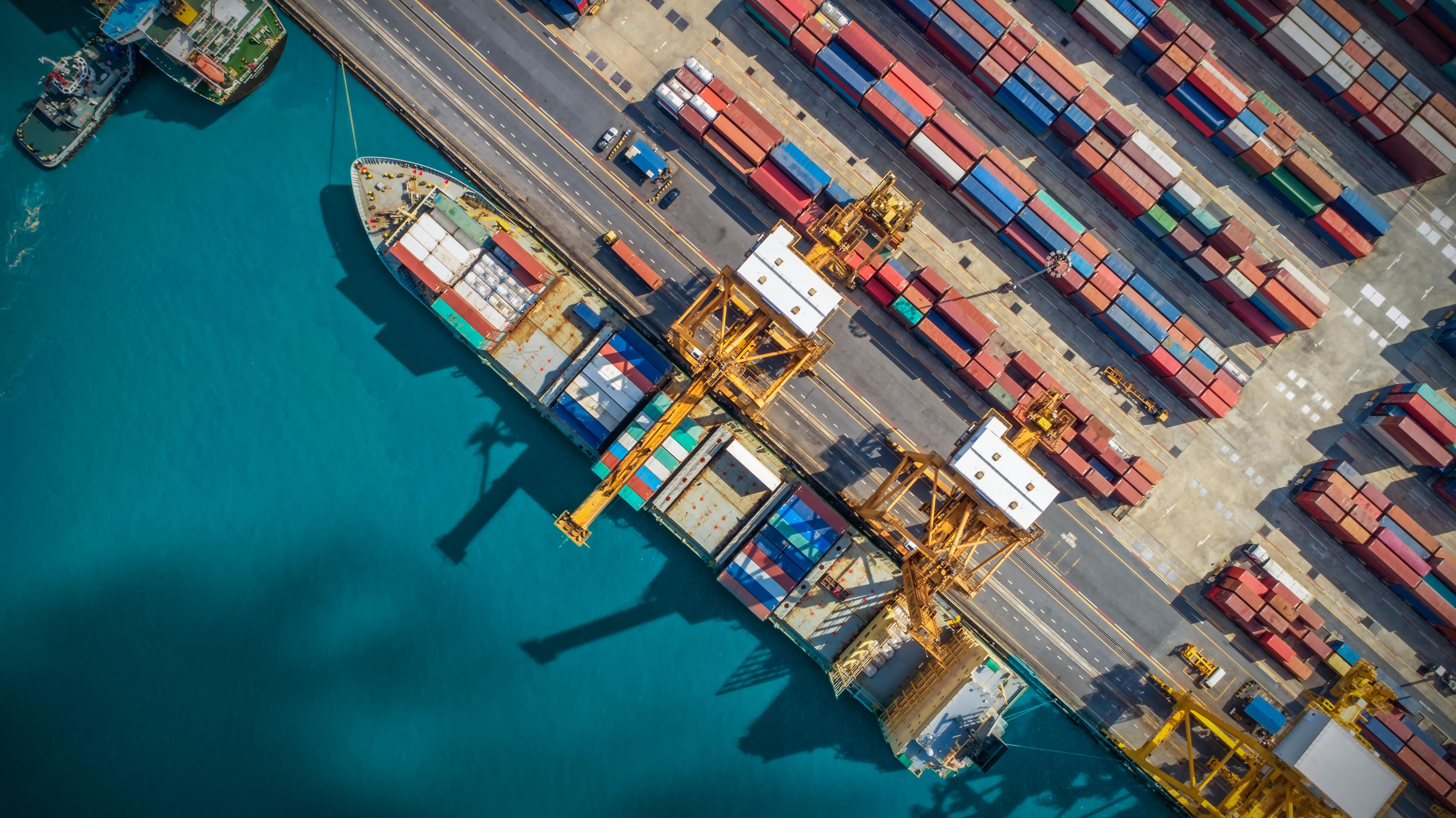
A battery looks like a single object. It is not. It is the end of a long chain that crosses many borders. Mining in one country. Refining in another. Cathode precursors, active materials, graphite anodes, cells. Each step sits in a different place. Each step is a potential chokepoint.
That chain has become extraordinarily concentrated. China accounts for over 80% of global battery manufacturing capacity, according to the IEA's 2026 EV Outlook. The concentration runs deeper than the cells themselves. Production of LFP cathode materials and their precursors is still almost entirely concentrated in China, along with the associated manufacturing capacity and technical expertise. Even the plants being built in Europe and the United States rely on imported components, most of them Chinese.
Concentration on its own is not a crisis. Concentration plus policy is. Protectionism is rising globally. The EU is tightening origin rules through the Battery Regulation, the United States has leaned on tariffs and export controls, and Chinese export controls on key minerals have roughly tripled since 2023. Concentrated supply chains are more exposed to the events in those places, rules on where material can come from, and go, are changing faster than most supply chains can follow. What used to be a theoretical vulnerability is now a live one.
Two suppliers is not the same as resilience
Most procurement teams know they should diversify. Many believe they already have. They hold contracts with two Tier-1 suppliers and call the job done.
Look one layer down and the comfort often disappears. Two tier-1 suppliers are not diversification if both depend on the same upstream refiner or the same cathode processor. The redundancy is an illusion. It exists on the first page of the supply chain and nowhere after it.
This is the trap batteries fall into. When you look only at the battery chemistries deployed outside China, the LFP portion relies almost exclusively on Chinese supply. A company can feel diversified at tier 1 and be completely single-threaded at tier 3. The only way to know the difference is to see below tier 1. Most cannot.
When disruption hits, the clock starts
The World Economic Forum used the recent disruption around the Strait of Hormuz to make the point. When shipping through the Strait slows or stops, manufacturing inputs can be delayed within days. More than a quarter of the world's helium transits the waterway, and its price has already doubled since the conflict began. The IEA recorded the same event rippling wider; disrupted sulphur supplies pushed acid prices up so sharply that, in some cases, acid overtook energy as the largest single cost in mineral processing.
One chokepoint affecting multiple industries; metals, chemicals and fertiliser, all at once. Batteries are no exception. Material from an affected route can sit inside cells already made and products already shipped, the real challenge is identifying which ones before it becomes a problem.
Why storage deserves its own worry
LFP made up more than 90% of stationary battery storage installations in 2025. LFP is also the chemistry whose upstream supply is the most concentrated. So the fastest-growing corner of the energy storage world, the one now being pulled hard by grids and data centres, sits on the narrowest and most exposed supply base there is. That is a strategic exposure, not a footnote.
The market is already moving
The clearest signal is what large manufacturers are doing with their own money.
In March 2026, Samsung SDI signed a multi-year LFP cathode material deal with a Korean supplier, explicitly to strengthen its North American energy storage business and diversify its supply chain away from China. In August 2026, LG Energy Solution signed a ten-year agreement for United States-produced lithium carbonate, pointing to fast-growing North American storage demand and the need for a stable, local supply of material. They are not alone.
These are not sustainability announcements. They are resilience moves, made by companies that have looked hard at the concentration in their own chains and decided to act before they are forced to. McKinsey's January 2026 battery outlook frames the same decade ahead: the easy growth is over, and the advantage now goes to the companies that master their supply chains, not just their chemistry.
What this means for the companies building and buying batteries
Strip it back and the lesson is simple. Transparency has changed jobs. It used to be about proving good behaviour after an issue. Now it is about knowing your own exposure before and answering fast when it lands.
For a battery maker, an OEM or a storage developer, that means being able to trace a product down to its materials and their origin, across every tier, on demand. Not once a year for a report. Continuously, so that when a port closes or a regulation lands, the response is identification rather than guesswork. The companies that can do this will treat the next disruption as a known list of affected products. The companies that cannot will treat it as an emergency.
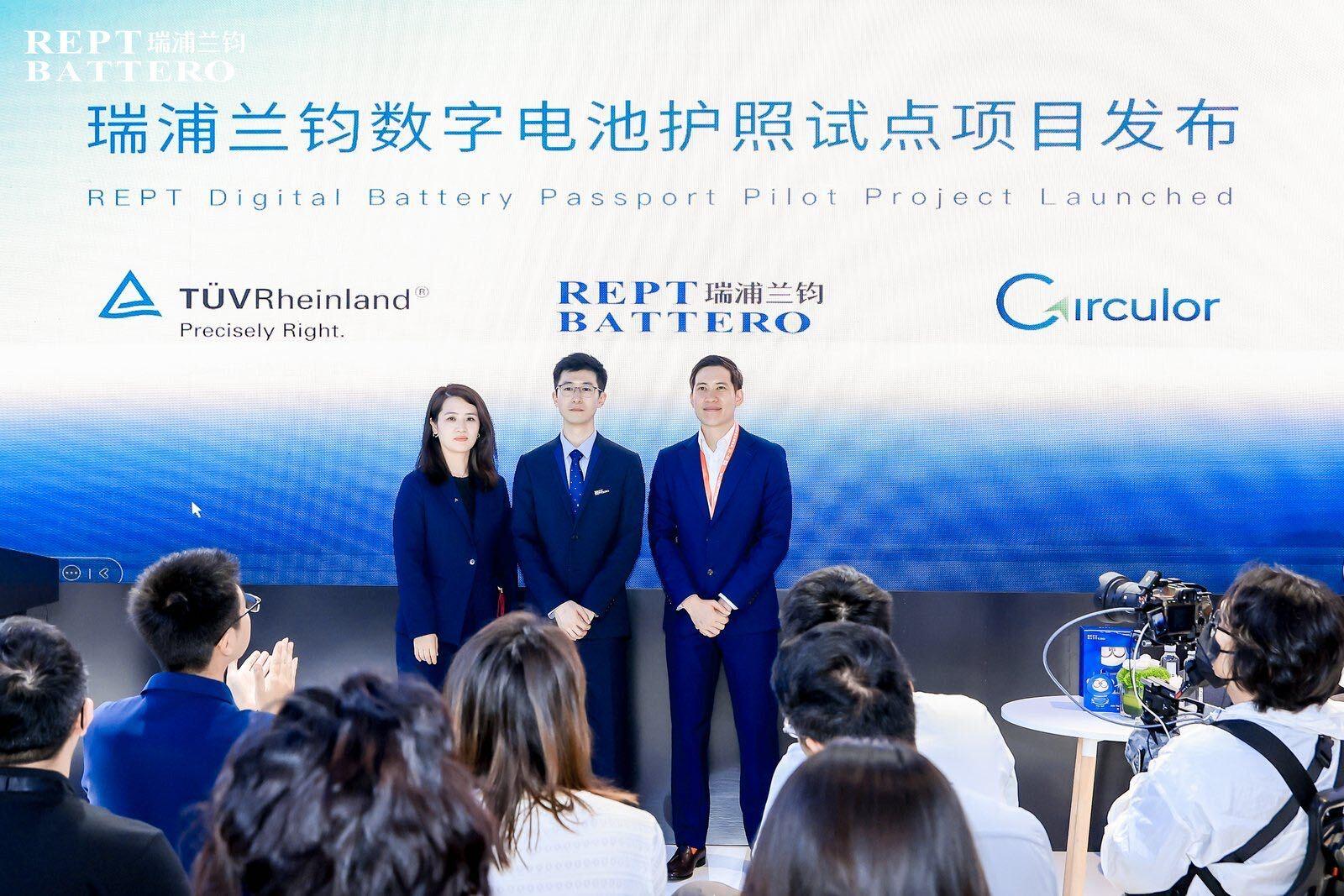
There is a hard deadline running alongside all of this. From 18 February 2027, in-scope batteries placed on the EU market will need a compliant Digital Battery Passport. The due diligence associated with Battery Passports is the same visibility that makes a supply chain resilient. It is the same work. Better done once, and early.
This is the problem Circulor was built to solve. We have been mapping battery and raw material supply chains back to their origin since before the EU Battery Regulation existed, which is why we helped shape its technical standards. In June 2024 we delivered the world's first full-scale battery passport on a production vehicle, the Volvo EX90, two and a half years ahead of the compliance deadline. The point was never the report. The point was knowing exactly what sits inside a product and where it came from, so that resilience and compliance stop being two separate jobs.
The question worth sitting with
The disruptions of the last two years were not the exception.
So the question is not whether the next one comes. It is whether, when it does, you will be reading a list of the products it touches, or starting to look for them.
If that is a question you would rather answer in advance, it is worth a conversation.
Supply Chain Visibility Starts Here
News, Analysen und Insights



© 2024 Circulor
Produkt
Immer auf dem Laufenden
Erhalten Sie die neuesten Updates von Circulor, Informationen zu Branchenentwicklungen und Analysen von unseren Experten direkt in Ihr Postfach.